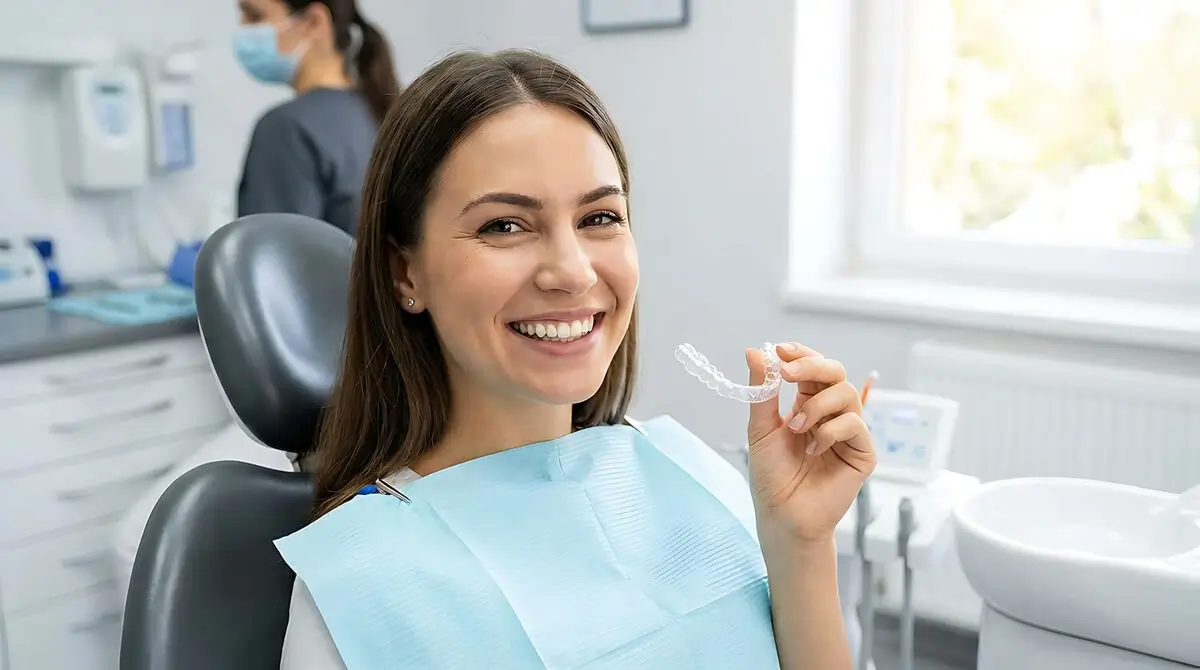

A bright smile is often one of the first things people notice. If your teeth look dull, stained, or uneven in colour, you may be considering professional teeth whitening as a way to refresh your appearance. With so many teeth whitening options available today, it can be hard to know what works, what is safe, and what suits your needs.
This guide explains professional teeth whitening in clear, practical terms. It covers how whitening works, why teeth change colour, available whitening treatments, costs, what happens during a teeth whitening appointment, and how to maintain results. Understanding the process can help you decide whether professional teeth whitening treatment is suitable for you.
What Is Professional Teeth Whitening?
Professional teeth whitening is a dental treatment that lightens the natural colour of teeth using professional-grade treatment materials under dental supervision. Unlike over-the-counter teeth whitening products, professional teeth whitening services use controlled whitening agents that are designed to deliver predictable and even results.
The whitening process involves applying a whitening gel to the teeth. This gel penetrates the tooth enamel and breaks down stains that affect tooth colour. Because the treatment is provided in a dental clinic, it can be tailored to your needs and monitored to protect both teeth and gums.
Why Teeth Become Discoloured Over Time
Tooth discolouration usually develops gradually and is influenced by lifestyle choices and natural ageing. Teeth stains can be caused by substances that cling to the outer enamel or penetrate deeper into the tooth.
Common causes include:
- Drinks such as coffee, tea, and red wine
- Smoking or vaping
- Certain medications
- Changes in tooth enamel thickness with age
- Inconsistent oral hygiene
Lifestyle factors play an important role in how quickly teeth darken. While brushing helps, it cannot always remove deep stains. This is why many people explore whitening teeth through professional whitening methods rather than home teeth whitening alone.
How Professional Teeth Whitening Works
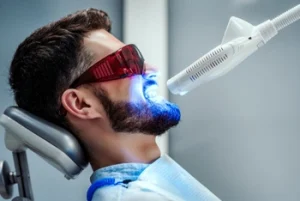 Professional whitening works by applying a whitening gel that contains active whitening agents. These agents react with stain molecules on and within the teeth, breaking them down so the tooth appears lighter in colour.
Depending on the whitening method used, the gel may be activated with advanced LED light technology or blue light. Light activation helps enhance the whitening process by supporting the action of the professional-strength gel and improving how evenly results develop.
The aim of professional whitening is to lighten teeth safely and consistently, helping achieve a whiter smile while protecting the tooth enamel and surrounding gums.
Professional Teeth Whitening Options Available
There is no single whitening method that suits everyone. Whitening options are chosen based on tooth colour, sensitivity, lifestyle, and desired outcome.
In Chair Teeth Whitening
In-chair teeth whitening, also known as in-chair treatment, is performed during a single visit to a dental clinic. A whitening gel is applied to the teeth, and blue light or advanced LED light technology may be used to activate the gel.
This type of in-chair whitening is often chosen by patients who want faster results, sometimes achieving several shades whiter in one appointment. Chair whitening allows close monitoring, making it suitable for many patients seeking noticeable whitening results.
Take Home Teeth Whitening
Take-home teeth whitening involves custom trays made to fit your teeth precisely. These whitening trays are filled with teeth whitening gel and worn at home for a set time each day.
Take-home whitening offers gradual whitening and can be a good option for people with tooth sensitivity or those who prefer whitening at home. Unlike generic teeth whitening kits, custom trays help keep the whitening gel in place and reduce gum irritation.
At-Home Teeth Whitening vs Professional Care
At-home teeth whitening products can help with mild surface stains, but results vary. Professional whitening options offer more consistent outcomes because they use professional-grade treatment materials and dental supervision.
What Happens During a Teeth Whitening Appointment?
A teeth whitening appointment usually begins with a whitening consultation. The dentist checks your teeth and gums, reviews dental health, and discusses expectations.
A dental check-up is important before whitening to ensure there are no issues that could affect comfort or results. Whitening may be delayed if there are concerns with teeth and gums.
During the whitening procedure:
- Gums are protected.
- Whitening gel is applied.
- Light activation may be used during in-chair treatment.
- The whitening process is monitored for comfort.
If take-home teeth whitening is chosen, you will be shown how to use the trays safely at home.
Is Professional Teeth Whitening Safe?
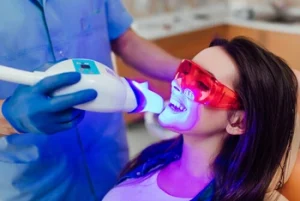 A common question is whether teeth whitening is safe. When performed professionally, whitening is considered safe for most people.
A dentist can adjust the whitening method, gel strength, and exposure time to protect the tooth enamel and gums. This reduces the risk of irritation and uneven whitening.
Some patients experience temporary tooth sensitivity, particularly to cold foods. This is usually short-lived and settles quickly. People with sensitive teeth may benefit from take-home whitening or lower-strength gels.
Maintaining good oral hygiene and oral hygiene habits before and after whitening supports dental health and comfort.
Whitening Results and What to Expect
Whitening results vary between individuals. Factors such as original tooth colour, type of stain, and whitening method all play a role.
Many patients achieve a brighter smile and noticeably whiter teeth, often several shades whiter. The aim is to enhance natural tooth colour rather than create an artificial look.
Results are not permanent. Over time, lifestyle factors may cause teeth to darken again. Touch-up treatments are sometimes used to maintain colour.
Professional Teeth Whitening Cost
Teeth whitening cost depends on several factors, including the whitening procedure chosen and whether in-chair whitening or take-home whitening is used.
For patients searching for teeth whitening, costs may vary between clinics. Factors influencing teeth whitening cost include:
- Whitening method used
- Use of blue light or advanced LED light technology
- Number of sessions required
- Custom trays versus single in-chair whitening
A whitening consultation allows costs to be discussed clearly before treatment. Clinics offering whitening may provide different whitening options based on individual needs.
Professional Whitening vs Home Whitening Products
Over-the-counter teeth whitening products and whitening kits are easy to access, but they typically rely on lower-strength whitening agents. While they may help with mild surface stains, results can vary widely from person to person.
Without professional guidance, factors such as tray fit, application time, and frequency of use can be difficult to control. This is why some people experience uneven whitening or increased teeth sensitivity when using at-home products.
Professional whitening differs because the process is planned, monitored, and adjusted to suit the teeth and gums. For many patients, this structured approach leads to more consistent results and a more comfortable whitening experience overall.
Who Is a Good Candidate for Professional Teeth Whitening?
Professional whitening works best on natural teeth. It does not change the colour of existing restorations.
Good candidates often include people with:
- Tooth discolouration from lifestyle factors
- Uneven tooth colour
- A preference for a brighter smile
A whitening consultation helps determine suitability and the most appropriate whitening method.
Teeth Whitening and Long-Term Dental Health
Professional whitening should support dental health rather than compromise it. Maintaining oral hygiene after whitening is essential.
This includes:
- Brushing and flossing regularly
- Attending routine dental check-ups
- Avoiding excessive exposure to staining foods and drinks
When whitening is part of overall dental care, results tend to last longer and feel more natural.
Myths and Realistic Expectations About Whitening
Clearing up common misunderstandings helps set realistic, comfortable expectations.
Whitening Does Not Create “Free Teeth”
A common myth is that professional teeth whitening creates perfectly white or “free teeth.” In reality, whitening works by lightening your natural tooth colour, not replacing it. Every person’s tooth enamel has a natural shade range, and whitening results stay within that range.
Professional teeth whitening can make teeth several shades whiter, but it does not create an artificial or paper-white look. The goal is a brighter, healthier appearance that still looks natural in your smile. Factors such as the original tooth colour, enamel thickness, and the type of teeth stain present all influence how light teeth can become.
This is why results vary between patients. Some people notice a dramatic change, while others see a more subtle improvement. Both outcomes are considered successful if the teeth look cleaner, brighter, and more even in colour. A whitening consultation helps set realistic expectations before treatment begins.
Whitening Is Not Permanent
Another common misunderstanding is that teeth whitening results last forever. Whitening results fade gradually over time due to normal changes in tooth colour and everyday wear.
Over time, regular exposure to common staining factors can slowly affect tooth colour again. This natural change does not mean whitening has failed, but reflects how teeth respond to daily use and ageing.
Many patients maintain their results with occasional touch-ups. This may involve take-home teeth whitening trays used periodically in your own home or a future in-chair whitening session if needed. Viewing whitening as part of ongoing dental care, rather than a one-time fix, helps align expectations and supports long-term satisfaction.
Whitening Does Not Damage Teeth When Done Correctly
Some people worry that whitening may weaken teeth or affect tooth enamel. When whitening is provided as a professional-grade treatment under dental supervision, it is generally considered a controlled approach that aims to minimise unnecessary risk.
Professional whitening products use measured whitening agents and carefully timed application. During the whitening procedure, the dentist takes steps to protect the teeth and gums and selects a whitening method based on factors such as enamel condition and sensitivity history.
Temporary tooth sensitivity can occur, particularly when consuming cold foods, and is a known side effect for some patients. This sensitivity is usually short-term and varies from person to person. Experiencing sensitivity does not automatically indicate damage, but reflects how individual teeth respond during the whitening process.
Issues are more commonly associated with excessive or inappropriate use of whitening products, including repeated use of at-home teeth whitening kits or ill-fitting trays without guidance. A dental check-up before whitening allows existing concerns to be identified and helps reduce the likelihood of avoidable discomfort.
Whitening Results Depend on Individual Factors
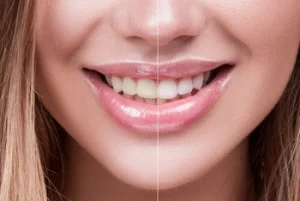 A realistic expectation is understanding that whitening outcomes depend on several individual factors. These include:
- Natural tooth colour and enamel thickness
- Type and depth of tooth discolouration
- Lifestyle factors
- Existing dental restorations
- Sensitivity history
Whitening works well on natural teeth. Restorations such as crowns or fillings do not change colour, which may affect overall appearance planning. A dentist can advise on sequencing if colour matching is needed.
Managing Sensitivity During Whitening
Teeth sensitivity is one of the most common concerns. Sensitivity usually occurs temporarily and may be triggered by cold foods.
Choosing the right whitening method, spacing treatments, and following advice from a dental clinic can minimise discomfort.
Final Thoughts on Professional Teeth Whitening
Professional teeth whitening is a safe, effective way to whiten your teeth and improve your smile when done under dental supervision. With options including in-chair teeth whitening and take-home teeth whitening, treatments can be tailored to your needs.
Understanding the whitening process, costs, and expected results helps set realistic expectations. When combined with good oral hygiene and thoughtful lifestyle choices, professional whitening can help you achieve a brighter, more confident smile.
If you’re considering professional teeth whitening or want clearer guidance on which option may suit your teeth, sensitivity, and lifestyle, a personalised discussion can help. You can book a consultation with us at Red Hill Dental or call (07) 3368 3555 to talk through your options in a calm, supportive setting.
Resources
Mayo Clinic Staff (2024). ‘What Causes Sensitive Teeth, and How Can I Treat Them?’. Mayo Clinic, 19 June. Rochester, MN: Mayo Foundation for Medical Education and Research.
https://www.mayoclinic.org/healthy-lifestyle/adult-health/expert-answers/sensitive-teeth/faq-20057854
Colgate Oral Care Editors (2023). ‘What Is Good Oral Hygiene?’. Colgate, 9 January. New York, NY: Colgate-Palmolive Company.
https://www.colgate.com/en-us/oral-health/adult-oral-care/what-is-good-oral-hygiene
Cleveland Clinic Medical Editors (2025). ‘Tooth Enamel’. Cleveland Clinic, last reviewed 10 July. Cleveland, OH: Cleveland Clinic.
https://my.clevelandclinic.org/health/body/24798-tooth-enamel
Owens, N. (2025). ‘What Should You Know About Tooth Discoloration?’. WebMD, 16 August. New York, NY: WebMD LLC.
https://www.webmd.com/oral-health/tooth-discoloration