

The lower teeth often change position more gradually than people expect. Because they sit in a smaller space and play a key role in how the bite functions, even subtle shifts in the bottom row can affect comfort, cleaning, and the way the teeth come together over time. These changes may happen slowly, which is why alignment concerns are sometimes noticed later rather than earlier.
When the lower front teeth begin to overlap or look uneven, it can raise questions about oral health, bite balance, and whether treatment is needed. Today, orthodontic care offers structured and predictable ways to address these concerns, whether the changes are mild or more established.
If you’re looking for professional advice, a well-established dental clinic in Paddington can assess your bite, explain the causes of lower teeth crowding, and recommend the most appropriate treatment options for your needs.
This guide looks at why lower teeth can move out of alignment, why correcting them can be important for long-term oral health, and the treatment approaches commonly used to straighten bottom teeth in a safe and controlled way.
Why Bottom Teeth Become Crooked Over Time
Understanding why the lower teeth move can help you choose the right path forward.
Natural changes in jaw shape
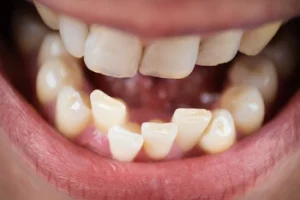 As you age, the jaw naturally becomes narrower. This reduces space in the lower part of the mouth and increases pressure on the lower front teeth, which can cause them to twist, overlap, or drift out of their desired position. Even people who had straight teeth in their younger years may experience misaligned bottom teeth as adults.
Early habits and baby teeth
The way your baby teeth fall out and your adult teeth grow in affects long-term alignment. Childhood habits like thumb sucking can push the bite out of balance, often causing problems later in life as the lower teeth adapt to the early pressure.
Wisdom teeth pressure
When wisdom teeth begin to develop, they may add pressure from behind. Even without pain, they can subtly push the bottom row forward, causing teeth crowding or shifting in the lower front teeth.
Teeth grinding and jaw pressure
Frequent teeth grinding places a strong force on the lower teeth and the jaw joint. Over time, this can move the teeth forward or cause twisting. It may also contribute to jaw pain, headaches, and uneven wear on the teeth.
Gum disease and oral health
Advanced gum disease weakens the tissues that support the teeth. When the gums or bone structure change, the lower teeth may shift. Poor oral hygiene can increase plaque and cause inflammation, making movement more likely to occur.
Food particles and decay
When the bottom teeth begin to crowd, food particles get trapped more easily. This increases the risk of tooth decay, gum irritation, and bad breath, all of which can contribute to further movement or discomfort.
Other factors
Genetics, the size of your teeth, injuries, missing or damaged teeth, and changes in the bite can all contribute to misaligned teeth. Often, it is a combination of several other factors that leads to the changes you see in the mirror.
Why Straightening Bottom Teeth Matters
Straight teeth do more than improve your smile. Keeping the bottom row balanced supports long-term oral health and overall comfort.
Easier cleaning
When teeth overlap, brushing becomes harder, and plaque builds up quickly. Straight teeth are easier to clean, which helps prevent tooth decay, gum disease, and bad breath.
Better bite and fewer issues
If the top teeth and bottom teeth do not meet correctly, your bite can become uneven. This may lead to long-term bite problems, uneven wear, and pressure on other teeth. Straightening the lower teeth helps stabilise the bite.
Less strain on the jaw
Misalignment makes the jaw work harder than it should. This increases the risk of tightness, headaches, and jaw pain. Straightening the lower teeth can reduce this strain.
A more balanced and natural smile
Even small improvements to the lower front teeth can make your smile look more even. Many people aim for a natural, picture-perfect look or a more subtle result, and balanced lower teeth help support that outcome.
Common Ways Dentists Straighten Bottom Teeth
Straightening the lower teeth usually involves a small number of well-established treatment approaches. Dentists choose between these options based on how much correction is needed, how the lower teeth interact with the bite, and how predictable the tooth movement must be.
Traditional Braces for Complex Needs
Traditional braces are often recommended when the lower teeth are tightly crowded, rotated, or when the bite requires significant correction. Braces use brackets and wires to apply steady, continuous pressure, guiding the teeth into their planned position over time.
Metal braces are commonly used for cases that involve more advanced alignment issues or long-standing crowding. Ceramic braces work in the same way but use tooth-coloured brackets to reduce visibility. Lingual braces are fixed to the inner surfaces of the teeth, keeping them hidden while still providing full control over tooth movement.
Because braces remain in place throughout treatment, they work around the clock and do not depend on daily wear habits. This makes them particularly useful when precise, consistent movement is essential or when clear aligners may not provide enough control on their own.
Clear Aligners
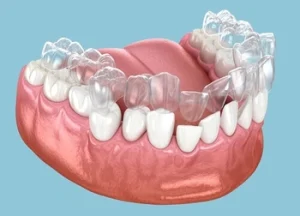 Clear aligners are a popular option for gradually straightening bottom teeth when alignment concerns are mild to moderate. Systems such as Invisalign use a series of custom-made trays that fit closely over the teeth and are changed at regular intervals to guide movement step by step.
Treatment starts with a digital scan, allowing the dentist to map out how each aligner will move the lower teeth. Each set is usually worn for one to two weeks before switching to the next. The aligners apply gentle, controlled pressure designed to move teeth steadily rather than abruptly.
Because aligners are removable, they allow normal eating and make brushing and flossing easier during treatment. They are often chosen by people who want a less noticeable option and are able to wear the trays consistently as instructed.
Cosmetic Approach for Minor Improvements
In some cases, the concern with the lower teeth is mainly visual rather than structural. When the teeth are already mostly straight but appear slightly uneven, cosmetic dental veneers may be discussed.
Veneers are thin coverings placed on the front surfaces of selected teeth to improve appearance. They do not move teeth or correct bite problems, and they are not suitable when crowding, rotation, or alignment issues are present. Their role is limited to small cosmetic adjustments when the underlying tooth position is already stable.
What Determines the Right Treatment for You
During your consultation, your dentist will assess several key factors to determine which option will give you the safest and most predictable results.
Crowding and spacing
Small or moderate crowding may suit clear aligners, while more complex cases may require braces.
Bite and jaw position
Your bite affects how the teeth function together. Overbite, underbite, and crossbite all influence your treatment needs.
Age and growth patterns
Children and teenagers are still growing, so the approach differs compared to adults. The development of baby teeth and adult teeth plays a role.
Gums and oral health
Healthy gums are essential before any movement begins. If there is active gum disease, it must be treated first.
Daily habits
Grinding or clenching may require extra support after straightening.
Your goals
Your treatment should support your functional needs and your personal preference for a natural or more polished look.
How the Treatment Process Works
Once treatment begins, the focus shifts to guiding the lower teeth into better alignment in a steady and controlled way. The first step is a detailed consultation, where your dentist examines your teeth, gums, bite, and jaw position. Records such as photographs or digital scans are often used to understand how the lower teeth sit in relation to the upper teeth and whether any bite adjustment is needed.
 Based on this assessment, a personalised plan is created. This outlines how the teeth are expected to move, how long treatment is likely to take, and which method will be used. Some plans rely on fixed appliances that apply continuous pressure, while others use removable aligners that work in stages. Regardless of the method, tooth movement is planned to happen gradually to protect the surrounding bone and gum tissues.
Throughout treatment, regular reviews are important. With braces, adjustments are usually made every few weeks to maintain progress. With clear aligners, progress checks help ensure each set of trays is moving the teeth as intended. These visits allow your dentist to monitor changes and make small refinements if needed.
Daily care also plays a key role during this time. As teeth shift, small gaps and overlaps can trap plaque more easily. Consistent brushing, flossing, and routine dental visits help keep the gums healthy and support smoother movement, reducing the risk of irritation or complications while alignment is being corrected.
After Treatment: Keeping Your Results Stable
Once your bottom teeth have been straightened, maintaining the result becomes the focus. Teeth naturally respond to pressure and movement, which means they can shift again if they are not supported properly after treatment.
Retainers are usually recommended to help hold the teeth in their new position. Depending on your situation, this may involve a removable retainer or a fixed wire placed behind the teeth. Wearing retainers as advised plays a key role in protecting the time and effort invested in treatment.
Long-term stability is also influenced by daily habits. Managing pressure on the teeth, such as grinding or clenching, and maintaining good oral hygiene can help reduce unwanted movement. Regular dental check-ups allow your dentist to monitor alignment, check retainers, and address any early changes before they become a problem.
Final Thoughts
Crooked or crowded lower teeth are common and very treatable. With today’s teeth straightening options, from clear aligners to traditional metal braces, you can safely straighten your bottom teeth while protecting your long-term oral health. With the right treatment plan, you can improve your bite, protect your teeth, and enjoy a balanced, natural-looking smile.
If you are concerned about crooked or crowded lower teeth or want clearer guidance on your treatment options, you can book a consultation with us at Red Hill Dental near Milton or call (07) 3368 3555 for personalised support.
Resources
Cleveland Clinic Staff. (2023). ‘Teeth Braces’. Cleveland Clinic, 13 January. Cleveland, OH: Cleveland Clinic.
https://my.clevelandclinic.org/health/treatments/24601-teeth-braces
Watson, S. (2024). ‘Gingivitis and Periodontal Disease (Gum Disease)’. WebMD, 9 February. New York, NY: WebMD LLC.
https://www.webmd.com/oral-health/gingivitis-periodontal-disease
Mayo Clinic Staff. (2024). ‘Teeth Grinding (Bruxism)’. Mayo Clinic, 27 December. Rochester, MN: Mayo Foundation for Medical Education and Research.
https://www.mayoclinic.org/diseases-conditions/bruxism/symptoms-causes/syc-20356095