
Root Canal Treatment Paddington Patients Trust for Relief
Have you felt a sharp jolt of pain when eating or drinking? This kind of discomfort may be more than a minor irritation. It can indicate a deeper issue, such as an infection that may require root canal treatment. At our Paddington clinic, we take concerns like these seriously because the sooner we understand the issue, the sooner you can feel relief.
What to Expect During Root Canal Treatment
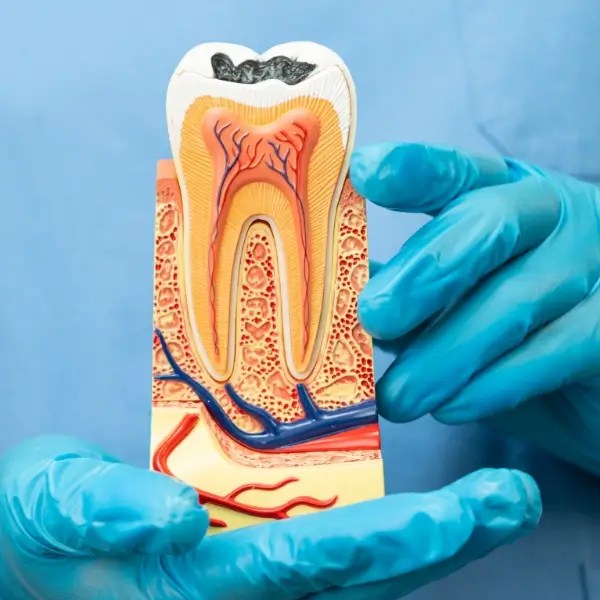
Root canal therapy begins by gently numbing the area to ensure you feel at ease. Our dentist then removes the infected pulp and carefully cleans the root canal space to eliminate bacteria. Medication may be placed inside to support healing and reduce inflammation.
At your next visit, we seal the canal with a strong filling material and, in many cases, place a crown for added protection. This approach helps preserve your natural tooth and restore comfort, allowing you to chew and speak with confidence once more.
Worried a Root Canal Might Hurt?
Root canal treatment is far more comfortable than many people imagine. With modern anaesthetics and advanced techniques, the procedure feels similar to receiving a regular filling. Our team focuses on gentle care, ensuring minimal discomfort throughout. Most patients report significant relief from pain after treatment, not more of it. You can expect a calm, well-managed experience designed to ease your symptoms and protect your smile.
Signs You Shouldn’t Ignore
Persistent tooth pain, sensitivity to heat or cold, and discomfort when biting can all signal deep infection inside a tooth. You might also notice swelling around the gums or a small pimple-like bump near the affected area.
These symptoms may not always be obvious or constant. That’s why it’s important to see our dentist promptly for a thorough assessment. Early detection means a greater chance of saving your tooth with timely, effective treatment.
Wondering what makes root canal treatment worthwhile? Let’s look at how this treatment helps protect your smile and oral health.
- Prevents tooth loss
- Relieves pain and pressure
- Avoids shifting of nearby teeth
- Preserves jaw structure
- Maintains natural bite
This treatment allows you to move forward with confidence, knowing your tooth has been restored from within and your smile is better protected against future complications or discomfort.
Knowing how to care for your tooth after treatment can make a real difference to your comfort and recovery.
- Avoid strenuous exercise for 24 hours
- Follow post-care instructions
- Take pain relief if needed
- Brush gently near the tooth
- Contact us if pain worsens
Staying on top of your aftercare helps prevent complications. If you have any concerns, our team is here to support your recovery.
Protect Your Tooth, Regain Comfort
If discomfort or sensitivity is affecting your daily life, timely care can make all the difference. Book your root canal appointment now to restore strength, prevent further damage, and feel more confident about your dental health.
Note: Any surgical or invasive procedure carries risks. Before proceeding, you should seek a second opinion from an appropriately qualified health practitioner.

We Welcome All Private Health Funds





Frequently Asked Questions
What should I eat after a root canal?
Choosing the right foods for recovery
After a root canal, your mouth may feel tender or slightly numb, making food choices more important than usual. To support healing and protect the treated tooth, it’s advisable to stick to soft, non-irritating options. Foods like mashed vegetables, yoghurt, scrambled eggs, or smoothies are gentle on the tooth’s structure while still providing nutrients to support your recovery.
Avoid eating while the area is still numb to prevent accidental bites or injury. Sticking to soft meals in the first 24 hours gives your treated tooth the chance to settle without added pressure.
Why are soft foods beneficial?
A root canal is a common dental procedure that removes infection and saves the tooth’s pulp. Immediately after your dental treatment, soft foods help reduce irritation around the treated area. These options also lower the risk of disrupting your dental filling or causing pain while chewing.
Our dentist may also recommend avoiding acidic or spicy foods that can cause discomfort during this sensitive period. Soft foods help prevent further infection and keep you comfortable as you heal.
When to resume normal eating habits
Most patients can return to their regular meals within a few days, but the timeline can vary depending on how your tooth responds. If your tooth still feels sore, continue with soft foods and monitor how it reacts when you gradually reintroduce firmer textures.
A dental crown or permanent restoration is typically recommended to protect the treated tooth. Once in place, and with your dentist’s guidance, you can safely return to your usual eating habits without risking damage to the treated tooth.
What to avoid after treatment
To support healing and prevent complications, avoid hard, sticky, or crunchy foods such as nuts, ice, lollies, and tough bread. These can dislodge a temporary dental filling or aggravate a damaged or infected tooth. Skipping these options for a few days protects the root canal therapy outcome and reduces the chance of further dental issues.
Alcohol should also be avoided immediately after treatment as it may interfere with medications or slow the healing process.
Maintaining hygiene after eating
Good oral hygiene practices are essential during recovery. Brush gently near the treated area and rinse with water after meals to remove food particles. Avoid aggressive brushing or flossing around the treated tooth until the tenderness subsides. This will help prevent irritation while maintaining the health of your tooth and surrounding gums.
Staying consistent with your daily routine and attending regular dental check ups will also help your dental crown and tooth last longer.
When to contact your dental team
If you experience swelling, prolonged pain, or signs of gum disease, it’s important to reach out. Early intervention prevents the progression of problems that, if left untreated, could affect the tooth’s health or the surrounding blood vessels.
Our clinic’s experienced team is here to offer support and guidance, helping you feel at ease throughout your endodontic treatment and recovery. Your comfort and safety are always prioritised, so do not hesitate to ask questions about your treatment options or any post-treatment concerns.
Are root canals safe for pregnant patients?
Considering treatment during pregnancy
Pregnancy can make some patients understandably cautious about dental procedures, especially when symptoms like a toothache or swelling appear. However, delaying care for an infected or damaged tooth may worsen dental problems and affect overall health. If your dentist recommends endodontic therapy, it’s because it’s necessary to relieve discomfort and prevent complications.
Root canal therapy is often considered safe during pregnancy, especially in the second trimester. Diagnostic tools and medications are selected carefully to protect both mother and baby while maintaining patient comfort throughout the experience.
Ensuring safe and timely care
Untreated tooth decay or infection can lead to serious concerns if ignored, including a missing tooth or systemic infection. The use of local anaesthetics is safe when administered correctly, and your dentist will avoid medications or techniques that pose any risk.
X-rays, often part of the diagnosis, are taken with additional shielding to limit exposure. If you need urgent care for a damaged tooth, your dentist will assess the safest time and approach. If you’re wondering how long the root canal procedure takes, it’s typically completed in one to two visits.
Do you accept health funds?
Yes, we’re proud to be a preferred provider for major health funds including Bupa, HCF, and Westfund. Eligible patients can enjoy greater rebates on general dental services like check-ups and cleans. These partnerships help make preventive care more accessible and affordable. We’re committed to helping families manage the cost of maintaining their oral health. This also means reduced out-of-pocket expenses may apply for treatments such as root canal treatment. Paddington residents can take advantage of these benefits while receiving personalised care from a trusted local team.