
Paddington Gum Disease Treatment for Stronger Gums
Feeling worried about changes in your gums or overall oral health can be unsettling. At our dental clinic, we understand how much healthy gums matter for your comfort and confidence. Our personalised gum disease treatment focuses on restoring gum health, protecting your teeth’s foundation, and helping you enjoy a smile that feels and looks great.
How We Can Improve Your Gum Health
Improving your gum health starts with understanding your unique needs. Our treatments may involve deep cleaning to remove tartar beneath the gum line or antibacterial therapy to reduce inflammation and promote healing.
For advanced concerns, Dr Henry Ho is one of the few dentists qualified to perform the Pinhole Surgical Gum Rejuvenation technique, a minimally invasive way to restore gum coverage. We also guide you with practical home care and prevention strategies, helping you enjoy healthier gums for the long term.
How Gum Disease Can Affect You
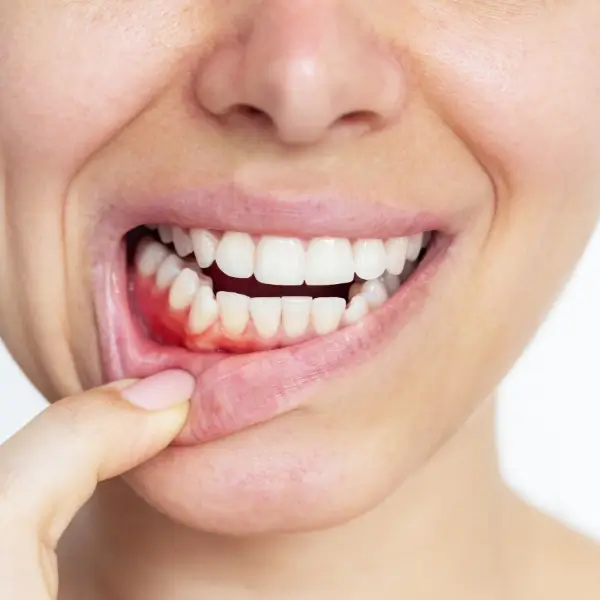
Gum disease begins when plaque accumulates along and beneath the gum line, allowing bacteria to irritate and inflame tissues. Left untreated, it can damage the bone supporting your teeth, cause gum recession, and impact your overall oral health, making early detection and professional care essential for lasting protection.
Spotting Early Gum Disease Signs
Recognising gum disease early can make a big difference to your oral health. You might notice your gums appearing redder than usual, feeling tender, or bleeding during brushing and flossing. These changes are your body’s way of signalling that something needs attention.
You may also see your gums pulling away from your teeth, ongoing bad breath, or a change in how your bite feels. If you spot any of these signs, arranging a prompt assessment can help prevent further damage and protect your smile.
Addressing gum disease promptly supports lasting oral health improvements and greater comfort. Below are ways our treatment helps.
- Reduces gum inflammation
- Helps prevent further bone loss
- Improves gum attachment to teeth
- Reduces bleeding during brushing
- Supports fresher breath
With the right care and guidance, your gums can remain strong and supportive for years to come. Our team works closely with you to maintain these results and protect your smile well into the future.
After gum disease treatment, daily care and consistent habits help maintain results. Below are ways to protect your gums.
- Brush twice daily with care
- Floss gently to avoid irritation
- Use antibacterial mouth rinses if recommended
- Attend regular dental check-ups
- Follow your home care plan
Combining good home habits with regular professional care helps your gums stay healthy and resilient. This balanced approach ensures your smile remains strong and comfortable long after treatment.
Bring Back Comfort to Your Gums
Discomfort, swelling, or bleeding gums should not be part of your everyday life. Our tailored gum disease treatment targets the cause and restores strength to your smile’s support. Arrange your visit today and take the next step towards better oral health.
Note: Any surgical or invasive procedure carries risks. Before proceeding, you should seek a second opinion from an appropriately qualified health practitioner.

We Accept All Private Health Funds





Frequently Asked Questions
What could be causing your gum problems?
Before gum health declines, it often starts with manageable concerns that can be addressed if caught early. Understanding these common causes helps patients make informed choices about prevention and treatment, supporting healthy teeth and a lasting smile.
Poor oral hygiene
Neglecting regular brushing, flossing, and regular dental cleanings allows a sticky film called plaque to form on your teeth and gums. Over time, this plaque hardens, trapping harmful bacteria that irritate gum tissue. Without good oral hygiene habits, the earliest stage of periodontal disease, known as gingivitis, can progress into a more advanced form that increases the risk of tooth loss.
Smoking and tobacco use
Smoking limits blood circulation in the gums, which slows healing and weakens the tissue’s ability to resist infection. Tobacco use also increases the likelihood of periodontal diseases becoming an advanced form, where damage is more severe. Many dentists recommend quitting tobacco as part of general dentistry care to protect both your gums and your overall health.
Medical conditions and medications
Certain illnesses, such as heart disease or diabetes, can weaken the body’s defence against disease, making the gums more vulnerable. Some medications reduce saliva, which normally helps protect the mouth from bacteria build-up. When this happens, a friendly team at our dental practice can recommend preventive steps, including antibiotic therapy if needed, to protect your teeth and gums.
Hormonal changes
Shifts during puberty, pregnancy, or menopause can make the gums more sensitive to plaque and gingivitis. These hormonal changes may trigger inflammation more easily, which can speed up the move from the earliest stage to a more advanced form of periodontal disease. Our dental hygienist and dentist can provide tailored treatment during these times to help maintain healthy teeth.
Genetic factors
Some patients may be more prone to periodontal diseases due to genetics, even with good oral hygiene. Early detection through a check-up with our friendly team allows for targeted treatment before periodontitis develops. Payment plans can make ongoing care for this advanced form of gum disease more accessible.
Poorly fitting restorations or appliances
Dental restorations or appliances that do not fit properly can trap food and allow plaque build up, increasing the risk of infection. Over time, these areas can become breeding grounds for bacteria that harm both the tooth and the surrounding gums. Addressing these issues promptly through general dentistry helps prevent gingivitis from progressing.
Should I floss if my gums bleed, oral hygiene?
Yes, flossing is essential, even if you notice bleeding. Bleeding may indicate gingivitis or a more advanced gum disease, both of which are linked to plaque build-up and infection. Avoiding flossing can allow the disease to progress. A dental hygienist or dentist can demonstrate gentle techniques to protect your gums. In many cases, bleeding improves when healthy flossing habits become part of your routine, helping you maintain healthy, periodontitis-free gums. Early action can prevent further damage and reduce the need for complex gum disease treatment. Paddington residents can rely on our clinic for guidance that keeps their gums strong and healthy.