

If you’ve ever wondered: Can you get veneers with bad teeth? You’re not alone. Many people consider dental veneers because their natural teeth have issues such as tooth decay, gum disease, crooked teeth, teeth grinding, or past trauma. While veneers can improve the appearance of the front surface of a tooth and support a more even-looking smile, they aren’t suitable for every dental scenario in their current condition. The first step is understanding what counts as “bad teeth” and what needs to be corrected before you get veneers.
What Counts as “Bad Teeth”?
“Bad teeth” is a broad phrase. It may include anything from cavities, gum infection, missing teeth, weakened enamel, a slightly crooked tooth, periodontitis (a severe stage of gum disease), or a weak tooth caused by wear, accidents, or teeth-grinding habits. Some people also experience tooth loss or heavily damaged back teeth. These issues don’t automatically mean veneers are off the table, but they do need attention.
If left untreated, concerns like tooth decay or gum disease can worsen and ultimately prevent bacteria from being controlled in the mouth. This can lead to further damage, bad breath, and ongoing dental issues.
When Veneers Can Be Used
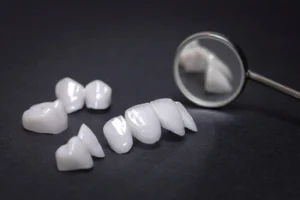
Veneers work best when placed on healthy, stable teeth. If your teeth are structurally sound, but you want to improve their appearance, porcelain veneers can often help. They can: 
- Fill gaps
- Cover chipped areas
- Help the dentist seal cracks on the front surface
- Improve the appearance of crooked teeth
- Support a healthy, dream smile faster than some other cosmetic options
If you have a slightly crooked tooth or mild cosmetic concerns, veneers can be a durable fix that helps you avoid more complex orthodontic work. Many regular patients choose this option because it aligns with their goals and doesn’t require delaying treatment for years.
When Veneers Cannot Be Used Straight Away
Some dental concerns must be treated before you can get veneers. These include:
1. Active Tooth Decay or Cavities
Veneers cannot cover active decay. Treating decay properly is essential because veneers should never trap bacteria underneath. Your dentist may suggest dental fillings or other treatments first.
2. Gum Disease or Periodontitis
If you have gum disease, you may need periodontal treatment before veneers. Healthy gums are necessary for a stable base.
3. A Weak Tooth
Sometimes a weak tooth needs extra support, such as a crown, before cosmetic work. This can happen if a tooth has undergone root canal treatment or has serious past damage.
4. Missing Teeth
Veneers only fit onto existing teeth. If you have missing teeth, your dentist may discuss other options before cosmetic enhancements.
5. Severe Dental or Medical Condition
Certain dental or medical condition factors, such as chronic dry mouth, high grinding pressure, or constant pressure from biting habits, may affect veneer longevity.
How Dentists Assess Veneer Suitability
Before dental veneers are recommended, a professional personal diagnosis is completed to check whether each tooth can support long-term treatment. This may include looking at a slightly crooked tooth fit, checking for cavities that need to be treated properly, and reviewing overall oral health.
During the dental examination, an experienced dentist will acquire a complete picture of your mouth and assess how the front teeth function, whether the bite places excess pressure on certain areas, and how stable the enamel is. At our well-established dental practice near Milton, careful assessment helps identify small issues that may affect the long-term success of veneers.
Current dental concerns, long-term goals, and suitable treatment orders are also reviewed. Clinical guidelines help inform decisions so the planned approach supports long-term oral health.
If colour adjustment is needed, teeth whitening may be recommended before veneers to help achieve a more even colour match.
Why Professional Advice Matters
 It’s important never to disregard professional advice. Veneers placed on unhealthy teeth can lead to further damage, discomfort, or the need for more complex treatment later. A dentist will guide you so that your teeth are protected, not just improved cosmetically.
A very experienced dentist can also identify whether any cavities need to be treated properly before veneer planning begins, helping ensure the treatment is based on a stable foundation.
When people delay seeking care, minor concerns can progress and may affect how soon veneer treatment can begin.
A Long-Lasting Solution With the Right Care
With proper planning, veneers, even on teeth that once had issues, can become part of a long-lasting solution. Your dentist will make sure your teeth are decay-resistant, stable, and ready before moving ahead.
If you’re considering veneers but unsure whether your teeth are suitable, a regular dental checkup is the simplest way to get clear guidance tailored to your situation.
If you’re concerned about whether your teeth are suitable for veneers or want clearer guidance on the next steps, you can book a consultation with us at Red Hill Dental or call (07) 3368 3555 to discuss your options.
Resources
Mayo Clinic Staff (2024). ‘Teeth Grinding (Bruxism)’. Mayo Clinic, Dec. 27. Rochester, MN: Mayo Foundation for Medical Education and Research. https://www.mayoclinic.org/diseases-conditions/bruxism/symptoms-causes/syc-20356095
Cleveland Clinic Staff (2023). ‘Cavities’. Cleveland Clinic, 27 March. Cleveland, OH: Cleveland Clinic. https://my.clevelandclinic.org/health/diseases/10946-cavities