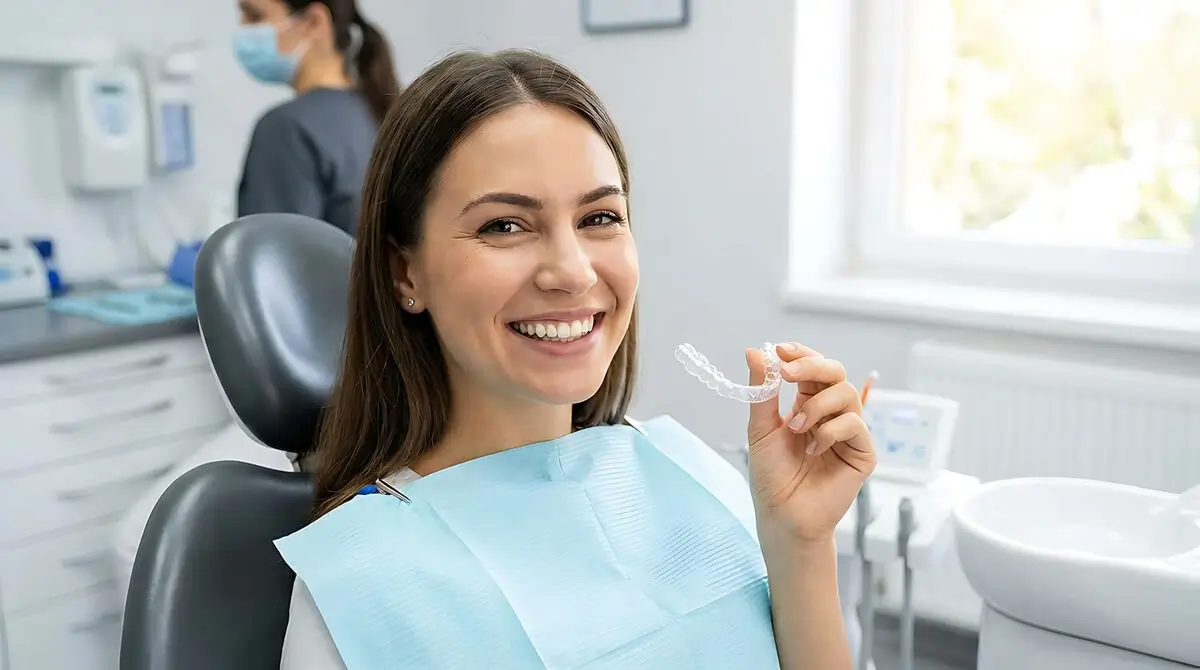

A bright, balanced smile can make a big difference to how people feel about their appearance. For many people, dental veneers help improve the look of their teeth while maintaining a natural appearance.
These thin coverings are placed on the front of the teeth to change colour, shape, or alignment. They are often used for concerns such as crooked teeth, chipped edges, worn surfaces, or discoloured teeth that do not respond well to whitening.
One of the most common questions patients ask is how long do veneers last? The answer depends on several factors, including the material used, daily habits, and how well a person maintains their oral hygiene and dental health.
Understanding the expected veneer lifespan can help people make informed decisions about treatment and long-term care.
What Are Dental Veneers?
Dental veneers are thin coverings designed to attach to the front surface of teeth. They are shaped to match the surrounding teeth so the result looks natural and balanced.
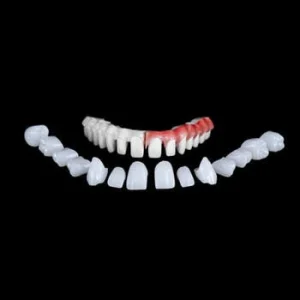 These thin shells are customised to fit each tooth carefully. Once placed, they can improve both the colour and shape of the tooth while preserving much of the original structure. They also provide a thin protective layer over the front of the tooth.
Veneers are commonly used in cosmetic dentistry to address concerns such as:
- Chipped or uneven teeth
- Stains that do not improve with teeth whitening
- Small gaps or minor alignment issues
- Worn edges or irregular shapes
Because veneers are designed to blend with natural teeth, they often create a natural-looking smile while maintaining a natural appearance.
Types Of Veneers Used In Dentistry
Different materials can be used when creating veneers. The most common types are porcelain veneers and composite veneers.
Both options aim to improve the appearance of teeth, but they differ in materials and expected durability.
Porcelain Veneers
Porcelain veneers are made from a ceramic material that closely mimics the light reflection of natural enamel.
They are custom-made in a laboratory and then bonded to the teeth. Because of the material used, porcelain veneers are often known for being stain-resistant and maintaining their colour over time.
Many people choose porcelain because it can offer a highly natural finish and long-lasting aesthetic appeal.
Composite Veneers
Composite veneers are created using a tooth-coloured composite resin material. This material is shaped directly on the tooth and then hardened.
Composite resin veneers may sometimes be completed in a single appointment. Because they are sculpted directly, they can also be adjusted more easily if small changes are needed.
When comparing porcelain and composite veneers, the choice usually depends on individual goals, tooth condition, and the professional advice of a dentist.
Both composite and porcelain veneers aim to support a balanced smile while protecting the underlying tooth structure.
How Long Do Veneers Last?
Many people considering veneers ask the same question: how long do veneers last?
The answer varies depending on the type of material used and daily habits.
In general:
- Porcelain veneers often last around 10–15 years or longer with proper care.
- Composite veneers typically last about 5–7 years before they may need repair or replacement.
The expected veneer lifespan is influenced by several factors, including oral hygiene, diet, and whether a person grinds their teeth.
With maintaining good oral hygiene and regular dental care, veneers can remain stable and attractive for many years.
The goal of treatment is not only cosmetic improvement but also maintaining a healthy smile and long-term oral health.
Factors That Affect Veneer Longevity
Even though veneers are designed to be durable, their lifespan can vary. Veneer longevity depends on daily habits and the condition of the teeth beneath them.
Material And Veneer Quality
The material used plays a major role in durability.
High-quality custom veneers made from porcelain often last longer because the ceramic material is stronger and more resistant to staining.
The overall veneer quality, including how accurately they fit the tooth, can influence how long veneers remain stable.
Oral Hygiene Habits
Good daily habits help veneers last longer.
Good oral hygiene habits include regular brushing, flossing, and keeping the gums healthy. These steps support both veneers and the other teeth in the mouth.
Without proper dental hygiene, problems such as tooth decay or gum disease may develop around the veneers.
Diet And Chewing Habits
Food choices can also influence durability.
Chewing very hard foods frequently may place extra pressure on veneers. Biting objects such as ice or pens can also increase the risk of damage.
Being mindful of chewing habits helps protect both veneers and natural teeth.
Teeth Grinding
Teeth grinding places significant pressure on the teeth. Over time, this repeated pressure may affect the bonding between the veneer and the tooth.
If grinding is present, a dentist may provide professional advice about protective options.
Dental Care And Check-Ups
Routine care is another important factor.
Routine dental check-ups, regular dental visits, and professional cleanings help monitor the condition of veneers and the surrounding gums.
Regular examinations allow dentists to identify small concerns early before they become larger problems.
The Role Of Tooth Preparation
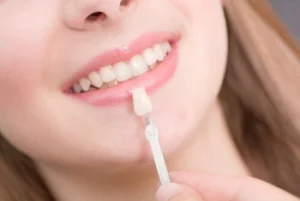 Before veneers are placed, a small amount of tooth enamel may be adjusted. This process is known as tooth preparation.
The purpose of preparation is to create enough space for the veneer to sit naturally on the tooth surface.
By preparing the enamel carefully, the dentist ensures the veneer blends with neighbouring teeth and maintains a natural-looking smile.
Because veneers are bonded to the underlying tooth, good dental health and strong enamel support their long-term stability.
When Might Veneers Need Replacing?
Although veneers are durable, they may eventually require attention.
Situations that could lead to replacing dental veneers include:
- Damage or chipping of the veneer
- Changes in the surrounding gum tissue
- Wear of the bonding edge
- Cosmetic changes in the neighbouring teeth
When this happens, the dentist can assess the tooth and recommend suitable options.
Replacing veneers usually focuses on maintaining the health of the underlying tooth while restoring appearance.
Can Veneers Damage Natural Teeth?
A common concern is whether veneers harm the teeth beneath them.
When performed carefully as a dental treatment, veneers are designed to work with the tooth rather than damage it.
The tooth enamel may be lightly adjusted during placement, but the aim is to preserve as much natural structure as possible.
With appropriate care and regular dental check-ups, veneers can remain stable without affecting surrounding teeth.
Maintaining oral health through daily hygiene and professional monitoring helps ensure that both veneers and natural teeth remain healthy.
What Happens When Veneers Reach The End Of Their Lifespan?
Even well-maintained veneers eventually reach the end of their expected lifespan. When this happens, the goal is not simply to remove the veneers but to carefully assess the condition of the underlying teeth and surrounding gums before deciding on the next step.
In many cases, the process begins with a detailed dental examination. The dentist checks the stability of the veneer, the health of the tooth underneath, and the condition of the bonding edge where the veneer meets the natural tooth surface. This evaluation helps determine whether the veneer can be replaced directly or if additional treatment may be needed first.
Removing an existing veneer is usually a careful and controlled procedure. Special dental instruments are used to gently separate the veneer from the tooth surface while protecting the remaining tooth structure. Because veneers are bonded strongly to enamel, the dentist works slowly to avoid unnecessary damage to the underlying tooth.
Once the veneer has been removed, the natural tooth is examined closely. The dentist checks for changes such as wear, small fractures, or areas where the bonding material has weakened over time. If the tooth remains healthy and structurally sound, a new veneer can often be prepared using a similar process to the original treatment.
In some situations, minor adjustments may be recommended before placing a replacement veneer. For example, the dentist may smooth the tooth surface, adjust the shape slightly, or update the shade to match surrounding teeth that may have changed colour over time.
After the tooth is prepared, impressions are typically taken again so a new custom veneer can be created. This ensures the replacement veneer fits precisely and maintains a balanced, natural-looking result.
For many patients, replacing veneers is simply part of maintaining long-term cosmetic dental work. With careful planning and good oral health, a replacement veneer can continue to support both appearance and function for many more years.
Do Veneers Look Natural Over Time?
Many people choose veneers because of their ability to create a balanced, natural result.
Well-designed custom veneers are shaped to match facial features and neighbouring teeth. This helps maintain a natural appearance rather than an artificial look.
Porcelain veneers are particularly valued for their light reflection, which is similar to the tooth enamel. This quality helps create a natural-looking smile that blends with the rest of the teeth.
When properly maintained, veneers can continue to support a beautiful smile and overall aesthetic appeal for many years.
Final Thoughts On Veneer Lifespan
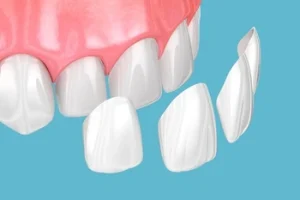 Understanding how long veneers last helps people plan their dental care more confidently.
The answer depends on the material used, daily habits, and overall oral hygiene practices. While porcelain and composite veneers have different expected lifespans, both can provide meaningful improvements to appearance.
By following good oral hygiene habits, attending routine dental check-ups, and seeking professional dental care when needed, veneers can remain stable and attractive for many years.
With proper maintenance, veneers can continue to support a healthy smile, natural function, and a lasting sense of confidence.
If you would like personalised advice about veneers or want to discuss whether this treatment may suit your goals, you can book a consultation with us at Red Hill Dental or call (07) 3368 3555 to speak with a dentist.
Resources
“Cleveland Clinic (2025). ‘Tooth Enamel’. Cleveland Clinic, 7 October. Cleveland, OH: Cleveland Clinic. https://my.clevelandclinic.org/health/body/24798-tooth-enamel”
“Mayo Clinic Staff (2024). ‘Teeth Grinding (Bruxism)’. Mayo Clinic, 27 December. Rochester, MN: Mayo Foundation for Medical Education and Research. https://www.mayoclinic.org/diseases-conditions/bruxism/symptoms-causes/syc-20356095”
“Colgate (2023). ‘What Is Good Oral Hygiene?’. Colgate Oral Care Center, 9 January. New York, NY: Colgate-Palmolive Company. https://www.colgate.com/en-us/oral-health/adult-oral-care/what-is-good-oral-hygiene”
“Healthdirect Australia (2025). ‘Veneers’. Healthdirect Australia, February review. Canberra, ACT: Healthdirect Australia. https://www.healthdirect.gov.au/veneers”