
Dental implants are one of the most dependable ways to replace missing teeth. They look, feel, and function like natural teeth, but many patients hesitate to begin treatment because they’re unsure about the cost.
Understanding the dental implant treatment cost involves more than a single number. The total depends on your oral health, the complexity of your dental implant procedure, and any additional steps needed to support a long-term result. This guide explains what influences the dental implant cost, what the process involves, and how to make an informed decision about your treatment plan.
What Are Dental Implants and How Do They Work?
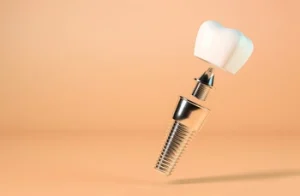 A dental implant is a small titanium screw placed in the jawbone to act as an artificial tooth root. Once healed, it supports a custom dental crown, bridge, or denture.
Because the implant fuses with the bone through a process called osseointegration, it becomes a strong foundation that feels and functions like a natural tooth. Dental implants offer stability, comfort, and the ability to chew and speak normally. These benefits, unlike dentures, remain consistent over time.
Implants can replace one, several, or all missing teeth and help prevent bone loss, gum collapse, or the shifting of adjacent teeth.
The Dental Implant Procedure Explained
The dental implant procedure takes several stages, usually spread across a few months to allow for healing and proper integration.
1. Consultation and Assessment
It begins with a dental implant consultation with an appropriately qualified dentist. Your dentist evaluates your oral health, takes X-rays or 3D scans, and discusses your expectations. A detailed treatment plan outlines the steps, timing, and total implant cost based on your needs.
2. Surgical Placement
Next comes the implant placement surgery. Under local anaesthesia, a small incision is made in the gum tissue, and the titanium post (also called an implant fixture) is inserted into the jawbone.
This surgical procedure is done in sterile conditions by a trained dentist. Once placed, the gum is stitched, and healing begins.
3. Healing and Integration
Over several months, bone naturally grows around the implant, securing it in place. This is known as osseointegration. During this healing process, you’ll attend regular dental check-ups to ensure proper recovery.
4. Abutment and Crown Placement
After the implant fuses with the bone, a small connector called an abutment is attached. The dentist then fits a custom-made dental crown or bridge to complete the restoration.
The result looks and feels like a natural tooth. It is strong, functional, and aesthetically balanced.
Is the Dental Implant Procedure Painful?
It’s normal to feel nervous before surgery, but the reassuring part is that dental implant procedures are carried out under local anaesthesia. You’ll be awake but shouldn’t feel significant discomfort during implant placement.
After the surgery, mild tenderness or swelling can occur, which typically subsides within a few days. Most patients say it’s similar to recovering from a simple tooth extraction.
The Real Cost of Dental Implants in Brisbane
When discussing the cost of dental implants, it’s important to remember that pricing varies. In general, the cost of dental implants for Brisbane patients differs from other major cities due to overhead and lab fees.
A single dental implant typically starts from a few thousand dollars, while multiple implants or full mouth dental implants involve a higher overall starting cost depending on treatment needs.
Factors influencing implants cost in Brisbane include:
- The number of implants needed
- The complexity of the dental implant process
- The type of restoration (crown, bridge, or denture)
- Any additional procedures, like bone grafting or sinus lift
- The quality and type of implant materials used
How Dentists Calculate Implant Costs
Behind every dental implant quote are several smaller components. Understanding what you’re paying for can make the decision clearer:
| Cost Element | What It Covers |
| Consultation & Imaging | Examination, scans, and X-rays used to plan implant placement |
| Implant Fixture | The titanium screw that integrates with the bone |
| Abutment & Crown | The visible part of your artificial tooth, custom-made in a lab |
| Surgery & Anaesthesia | The surgical placement procedure and aftercare |
| Follow-ups | Regular dental check-ups and adjustments |
| Additional Procedures | Bone grafting, sinus lift, or tooth extraction if required |
This transparency helps you compare dental clinics fairly and ensures there are no hidden costs later.
Implant Components and How They Affect Cost
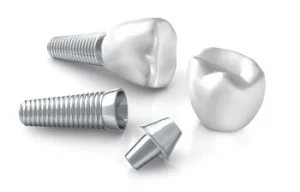 Each implant is made of several parts, and the materials and designs used influence overall pricing.
- Implant Fixture: Usually titanium, known for durability and compatibility with the jawbone.
- Abutment: The part that links the implant to the crown.
- Dental Crown: The visible replacement that mimics natural teeth in shape and colour.
Premium materials, such as zirconia abutments or ceramic crowns, often increase the tooth implant cost but can improve appearance and strength.
Materials and Innovations in Modern Implants
Modern high-quality dental implants rely on materials engineered for precision and comfort.
- Titanium implants remain the standard for their strength and ability to fuse with bone.
- Zirconia implants are metal-free and used in specific cosmetic cases.
- Digital planning tools and guided surgery allow more accurate implant placement, reducing chair time and improving healing.
These advances explain why newer systems can command higher fees but also deliver better long-term success.
Factors That Affect Overall Implant Cost
A range of individual and procedural elements contribute to your total implant cost:
1. Number of Implants
A single tooth implant costs less than replacing an entire arch. However, when multiple implants are placed at once, shared procedures (like scans) can lower per-implant costs.
2. Bone Quality and Additional Procedures
Patients with bone loss may need bone grafting or sinus lift surgery to rebuild the upper jaw and stabilise implants. These additional procedures add to the total cost but are essential for a strong foundation.
3. Type of Restoration
Whether you need one crown, a bridge, or full mouth dental implants will significantly affect pricing.
4. Dentist and Location
The experience of your dentist and the technology at their dental clinic influence fees. Dental implants in Brisbane may cost differently compared to other cities, but many clinics now provide affordable dental implants through flexible payment options.
Single vs Multiple Implants: Which Is More Cost-Effective?
When comparing a single dental implant to several placed together, the total cost naturally rises with quantity, but efficiency improves.
For example, four implants supporting a bridge to replace several missing teeth can be more cost-effective than individual implants for each gap. Similarly, full mouth dental implants often use four to six implants per arch to support a full prosthesis, keeping costs reasonable relative to complete coverage.
Discussing your options during a dental implant consultation helps you decide what approach best fits your goals and budget.
Implant Cost vs Long-Term Savings
Although the initial price of dental implants may appear high, they usually lead to long-term savings.
- Durability: With proper oral hygiene, implants can last decades, unlike dentures that may need replacement every few years.
- Bone Preservation: By preventing bone loss, implants reduce future dental treatment costs.
- Improved Function: You can eat a full diet without needing adhesives or frequent adjustments.
When viewed over 10–20 years, implants can be one of the most cost-efficient tooth replacement options available.
Dental Implant Longevity: What the Research Says and What It Means for You
When considering the cost of dental implants, it helps to think long-term. A major reason many people prefer implants over other replacement options is their demonstrated long-term strength. But how long do dental implants actually last, and what affects their lifespan?
Long-Term Success Rates
Extensive research shows that dental implants offer reliable long-term results. Multiple clinical studies have found success rates above 90–95% after ten years, and many implants remain stable even after two decades.
A large Australian study published in the Journal of Prosthetic Dentistry reported an implant survival rate of around 87–90% after 20 years. Similar results have been observed globally, showing that well-planned implants can function for decades with the right care.
These statistics make implants one of the most predictable and high-quality dental treatments available in modern dentistry.
What Affects Longevity
Just like natural teeth, dental implants rely on surrounding bone and gum tissue for support. Their long-term success depends on several key factors: 
- Good Oral Hygiene: Regular brushing, flossing, and professional cleans prevent gum disease, one of the main causes of implant failure.
- Healthy Lifestyle Choices: Smoking and uncontrolled diabetes can slow healing and increase the risk of bone loss.
- Proper Implant Placement: When the implant fixture is positioned at the right angle and depth by an appropriately qualified dentist, it distributes bite forces evenly, protecting both the implant and the surrounding adjacent teeth.
- Quality Materials: Using titanium screws or zirconia implants from trusted systems supports long-term durability.
- Regular Dental Check-Ups: Routine reviews help detect early inflammation or mechanical wear before they become serious issues.
How Longevity Affects Cost
Because well-maintained implants can last for decades, the cost of dental implants becomes more manageable when viewed over time. Compared to dentures or bridges that may need replacement every few years, implants often provide a one-time investment in lasting oral health.
For example, if a single dental implant lasts 20 years or more, the annualised cost may be lower than maintaining other tooth replacement options that require frequent adjustments or remakes.
The Role of Patient Care
Your daily habits play a major role in how long implants last. Proper oral hygiene, combined with a healthy diet and regular dental check-ups, helps the jawbone and surrounding tissues stay strong. Avoiding smoking and managing medical conditions such as diabetes also improves outcomes.
Even though implants are made of metal and ceramic, the tissues supporting them are living and responsive, which means consistent care is vital.
A Long-Term Partnership with Your Dentist
Longevity isn’t just about the materials; it’s about teamwork. Your dentist monitors your implant placement, bite alignment, and cleaning technique over time to ensure stability. If you treat your implant like a natural tooth, keeping it clean and attending periodic reviews, it can serve you well for life.
In short: Dental implants are designed for long-term success, and with care, they can deliver reliable performance and comfort for decades. Their longevity reinforces why many Australians see them not just as a dental procedure, but as an investment in lifelong confidence, function, and health.
Lifestyle and Oral Health Factors That Affect Cost
Every patient’s oral health affects both the success and price of the dental implant treatment.
- Gum Disease: Active infection must be treated before surgery.
- Smoking: Slows the healing process and increases implant failure risk.
- Diabetes or Bone Conditions: May require closer monitoring or staged treatment.
- Poor Oral Hygiene: Raises the chance of complications and future maintenance costs.
Taking care of your mouth with good oral hygiene and regular professional cleans before and after treatment keeps the implant site healthy and prevents added expenses later.
How Advanced Technology Supports Cost-Effective Treatment
Modern dental technology improves precision and streamlines procedures, helping reduce chair time and follow-up appointments.
3D Navigation for Predictable Placement: Digital planning guides implant positioning with high accuracy, reducing the chance of adjustments or complications.
CAD/CAM and 3D Printing: In-house design systems create custom restorations and surgical guides quickly, lowering lab turnaround times and maintaining quality.
Soft-Tissue Lasers for Cleaner Healing: Focused light energy assists in preparing or managing soft tissue around treatment areas, helping promote cleaner healing and patient comfort.
These systems work together to improve planning, efficiency, and overall treatment accuracy, helping ensure dependable long-term outcomes.
Dental Implant Cost vs Other Tooth Replacement Options
Let’s compare implants to other tooth replacement options to see where the value lies.
| Option | Lifespan | Comfort | Maintenance | Cost Over Time |
| Dental Implants | 15–25+ years | Feels natural | Low | Low long-term cost |
| Dental Bridge | 7–10 years | Good | Moderate | Medium |
| Dentures | 5–8 years | May slip | Higher | High (frequent replacements) |
Although the initial tooth implant cost is higher, implants can be more economical in the long run due to durability and stability.
The Role of Regular Dental Visits
Even after implant healing, regular dental check-ups remain essential. Your dentist monitors bone levels, gum health, and bite alignment.
Routine reviews help catch small issues early, preserving both the implant and the surrounding natural teeth. Think of these visits as part of your dental implant care rather than an extra cost.
Choosing the Right Dentist
 Selecting the right appropriately qualified dentist makes all the difference in your outcome. Look for:
- Documented experience in implant procedures
- Transparent communication about pricing and stages
- Use of modern planning tools and sterile environments
- Commitment to ongoing follow-up and maintenance care
An experienced dentist ensures your surgical placement is safe, precise, and supported by a clear treatment plan.
What Happens If You Delay Treatment?
Leaving missing teeth untreated can trigger a chain reaction:
- Bone loss and shrinking of the jawbone
- Shifting of adjacent teeth into the empty space
- Difficulty chewing and speaking
- Increased risk of gum disease
Timely implant treatment protects not only your smile but your long-term dental health.
Common Myths About Dental Implant Costs
Let’s clear up a few common misconceptions about implant pricing.
- “Implants are only for the wealthy.”
Many clinics offer affordable dental implants and flexible payment options. - “Cheaper means the same result.”
Lower prices sometimes involve lesser materials or minimal aftercare. Always ask what’s included. - “Insurance doesn’t help at all.”
Some dental insurance plans cover portions of the treatment, especially the crown stage. - “Implants require too many appointments.”
Most treatments follow a structured timeline and can be completed in staged visits.
Final Thoughts
Understanding the cost of dental implants means looking beyond the initial fee. It’s about the quality of materials, the precision of the implant placement, and the skill of your dentist.
Whether you need one dental implant or multiple implants, the right planning and maintenance will make your investment worthwhile. With proper oral hygiene, regular dental check-ups, and professional follow-up, your implant can last for many years. It helps you chew, smile, and live comfortably again.
If you’re considering dental implants or want to understand your options for restoring missing teeth, book a consultation with us at Red Hill Dental or call (07) 3368 3555. Our team will assess your oral health and guide you through a tailored treatment plan to help you regain comfort and function in your smile.
Note: Any surgical or invasive procedure carries risks. Before proceeding, you should seek a second opinion from an appropriately qualified health practitioner.
Resources
Cherney, K., and McLean, A. (2025). ‘10 Ways to Keep Your Teeth Healthy’. Healthline, 13 May. San Francisco, CA: Healthline Media. https://www.healthline.com/health/dental-and-oral-health/best-practices-for-healthy-teeth
Colgate Staff. (n.d.). ‘Understanding Bone Grafts for Dental Implants’. Colgate Oral Care Center. New York, NY: Colgate-Palmolive Company. https://www.colgate.com/en-us/oral-health/implants/bone-graft-for-dental-implants-understanding-the-possibility
Watson, S. (2024). ‘Gingivitis and Periodontal Disease (Gum Disease)’. WebMD, 9 February. Atlanta, GA: WebMD LLC. https://www.webmd.com/oral-health/gingivitis-periodontal-disease
Cleveland Clinic Staff. (2023). ‘Dental Crowns’. Cleveland Clinic, 14 April. Cleveland, OH: Cleveland Clinic. https://my.clevelandclinic.org/health/treatments/10923-dental-crowns
Mayo Clinic Staff. (2024). ‘Dental Implant Surgery’. Mayo Clinic, 23 October. Rochester, MN: Mayo Foundation for Medical Education and Research. https://www.mayoclinic.org/tests-procedures/dental-implant-surgery/about/pac-20384622